
Building Defects in Strata: Progress, Pressure and the Path Ahead
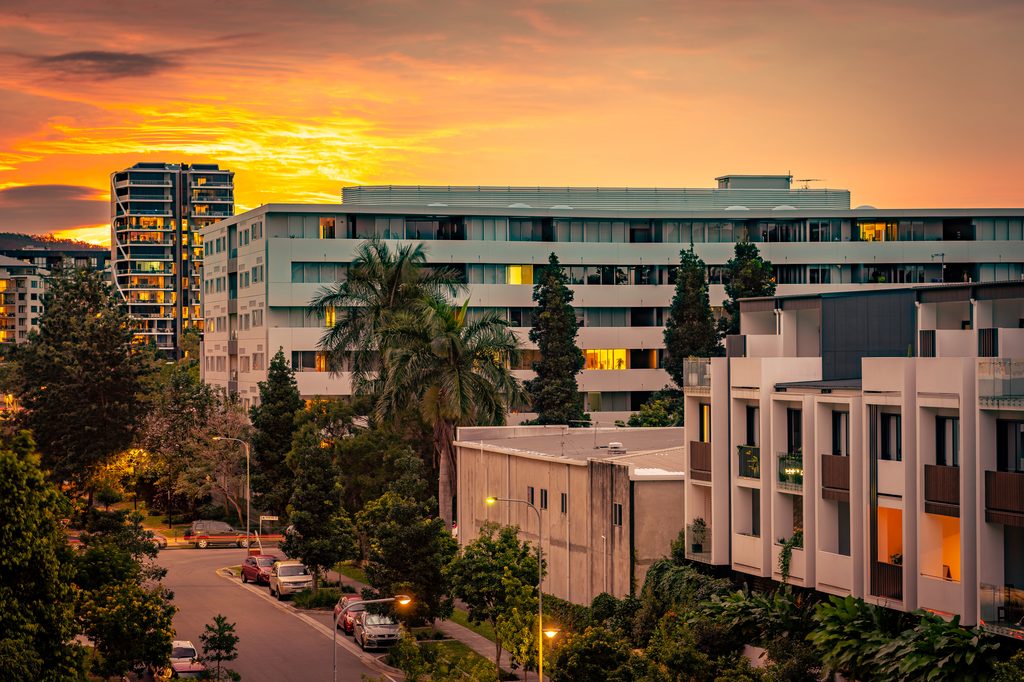
The release of the NSW 2025 Strata Defects Report, developed by Building Commission NSW in partnership with SCA (NSW), captures the experiences of strata managers overseeing 520 buildings. The research continues to shine a light on the state of residential apartment buildings in NSW. As apartment and strata living continues to grow across Australia and New Zealand, the lessons from this report are highly relevant beyond New South Wales.
While there are encouraging signs that regulatory changes are improving accountability and confidence, serious defects remain a significant issue for apartment owners and committees. Perhaps the most striking statistic is that 53% of surveyed buildings reported one or more serious defects, a figure consistent with the 2023 report.
Waterproofing continues to be the most common issue, affecting 44% of buildings surveyed, followed by fire safety defects at 28%. Structural issues, building enclosure failures and key service defects also remain prevalent. These are not minor inconveniences. They are defects that can compromise safety, create financial hardship and impact residents’ quality of life.
At the same time, the report also points to positive movement across the industry. Awareness of the Design and Building Practitioners Act (DBP Act) has reached 98%, while 84% of strata managers are aware of the Residential Apartment Buildings (Compliance and Enforcement Powers) Act (RAB Act). More importantly, the proportion of strata managers who say they have a strong understanding of the DBP Act has increased significantly from 46% in 2023 to 69% in 2025.
This growing awareness appears to be translating into stronger confidence in the reforms. 84% of strata managers now believe the reforms have improved the way serious defects are managed, while more than half believe the legislation has increased consumer confidence in apartment living.
The findings suggest the sector is beginning to see the benefits of stronger compliance measures, increased accountability and greater regulatory oversight.
“These results reflect a growing culture of accountability and collaboration across the industry. While challenges remain, it’s clear to me that the residential building industry in NSW is heading in the right direction.” James Sherrard, NSW Building Commissioner
The data also highlights some encouraging trends in newer developments. Buildings registered between 2022 and 2024 appear to show significantly lower rates of reported defects compared to older buildings. Waterproofing defects, for example, were detected in only 7% of 2024-registered buildings, compared with 66% of buildings registered in 2018.
However, the report cautions against assuming this automatically means building quality has dramatically improved. A key theme throughout the findings is the concept of “detection lag”. Serious defects often do not become apparent until several years after occupation, meaning many newer buildings may simply not yet have had sufficient time for issues to emerge.
This is particularly important for strata communities and policymakers to understand. Building quality cannot be assessed purely on the basis of defects identified in the first year or two after completion. Ongoing monitoring will be critical in determining whether the reforms are reducing defects over the long term.
The report also reinforces the central role strata managers play in defect management. Strata professionals are often coordinating builders, developers, consultants, lawyers, insurers and owners committees simultaneously, while also supporting residents through what can be an emotionally exhausting process.
Qualitative interviews included in the report reveal the depth of this challenge. Strata managers described widespread frustration, prolonged negotiations, communication breakdowns and the significant emotional toll defects place on owners and volunteer committee members.
“The substantial financial burdens placed on owners, often resulting from unexpected and costly rectification work and their implications for insurance, can lead to a diminished quality of life for strata communities and take a serious mental and emotional toll.” Robert Anderson, SCA (NSW) President
The financial impacts are equally sobering. Across surveyed buildings, owners corporations have collectively spent more than $45 million rectifying serious defects, with an average cost of $215,400 per building. Insurance impacts were reported in 74% of affected buildings, while 60% experienced increased insurance premiums.
Importantly, the report also demonstrates that strata communities are increasingly engaging with regulators. Reporting of serious defects to the regulator has risen from 15% in 2021 to 36% in 2025. This increase reflects both growing awareness of the available pathways and increased confidence in the role Building Commission NSW can play in driving accountability.
At the same time, the findings show that resolution remains complex and time consuming. While agreements with builders or developers remain the most common pathway to rectification, many communities continue to face delays, disputes and prolonged negotiations. Some buildings have spent years attempting to resolve issues, with owners corporations often carrying the financial and emotional burden throughout the process.
The report reinforces the critical role strata professionals play in protecting owners, guiding communities through complex processes and helping maintain confidence in higher-density living. For governments and regulators, it highlights the need for continued oversight, education and enforcement to ensure reforms deliver lasting outcomes.
View Comments
(0)